Fintech Zero to One in 2 months: Payment Processing Solution for Philippines market
Providing a seamless and transparent payment solution, accepting bank transfer with innovative blockchain based reconciliation solution.

Featured Project
Building a fintech product from scratch is daunting. Regulatory requirements, security concerns, and the need for absolute reliability create pressure that few other domains match. When we took on the challenge of building LexuPay, a payment processing solution for the Philippines market in just two months, we learned what it takes to ship financial infrastructure at startup speed without compromising on quality.
The Opportunity
The Philippines has a rapidly digitalizing economy but significant gaps in payment infrastructure:
- Limited bank penetration — Many Filipinos are unbanked or underbanked
- Fragmented payment methods — Bank transfers, e-wallets, remittance services
- Reconciliation challenges — Manual processes lead to errors and delays
- Trust issues — Uncertainty about payment confirmation
Our client saw an opportunity to create a unified payment solution that could accept bank transfers while providing near-instant confirmation through innovative blockchain-based reconciliation payout solution.
The Challenge: Two Months to Launch
The timeline was aggressive:
- Month 1: Core payment processing infrastructure
- Month 2: Integration, testing, and compliance
- Launch: Live with real transactions
This meant making hard decisions about scope while never compromising on security or reliability.
Technical Architecture
Payment Flow
The system needed to handle the complete payment lifecycle:
- Service Provider Integration — Simple API for payment initiation
- Customer Experience — Clear payment instructions
- Payment Confirmation — Real-time status updates
- Reconciliation — Matching payments to orders
- Settlement — Webhook status update to service provider
The Blockchain Innovation
Traditional bank transfer reconciliation is painful:
- Banks provide batch files daily (or less)
- Matching payments to orders is manual
- Disputes take weeks to resolve
- Uncertainty during the confirmation gap
We implemented a blockchain-based reconciliation payment solution:
How It Works:
- Payment instruction includes unique reference
- Batch payment settlement to service provider
- Payment confirmation recorded on blockchain
- Merchant notified within minutes, not days
Benefits:
- Immutable payment records
- Near-instant confirmation
- Automated reconciliation
- Dispute prevention through transparency
Security First
Fintech demands the highest security standards:
Data Protection:
- End-to-end network encryption for all transactions
- Row level security at the database layer
- Secure key management
Authentication:
- Multi-factor authentication for merchants
- API key rotation policies
- IP whitelisting options
- Comprehensive audit logging
Monitoring:
- Real-time fraud detection
- Anomaly alerting
- Transaction velocity limits
- Manual review workflows
Building at Speed
Two months is short. Here's how we moved fast without breaking things:
Prioritization
We defined what was essential vs. nice-to-have:
Must Have:
- Core payment processing
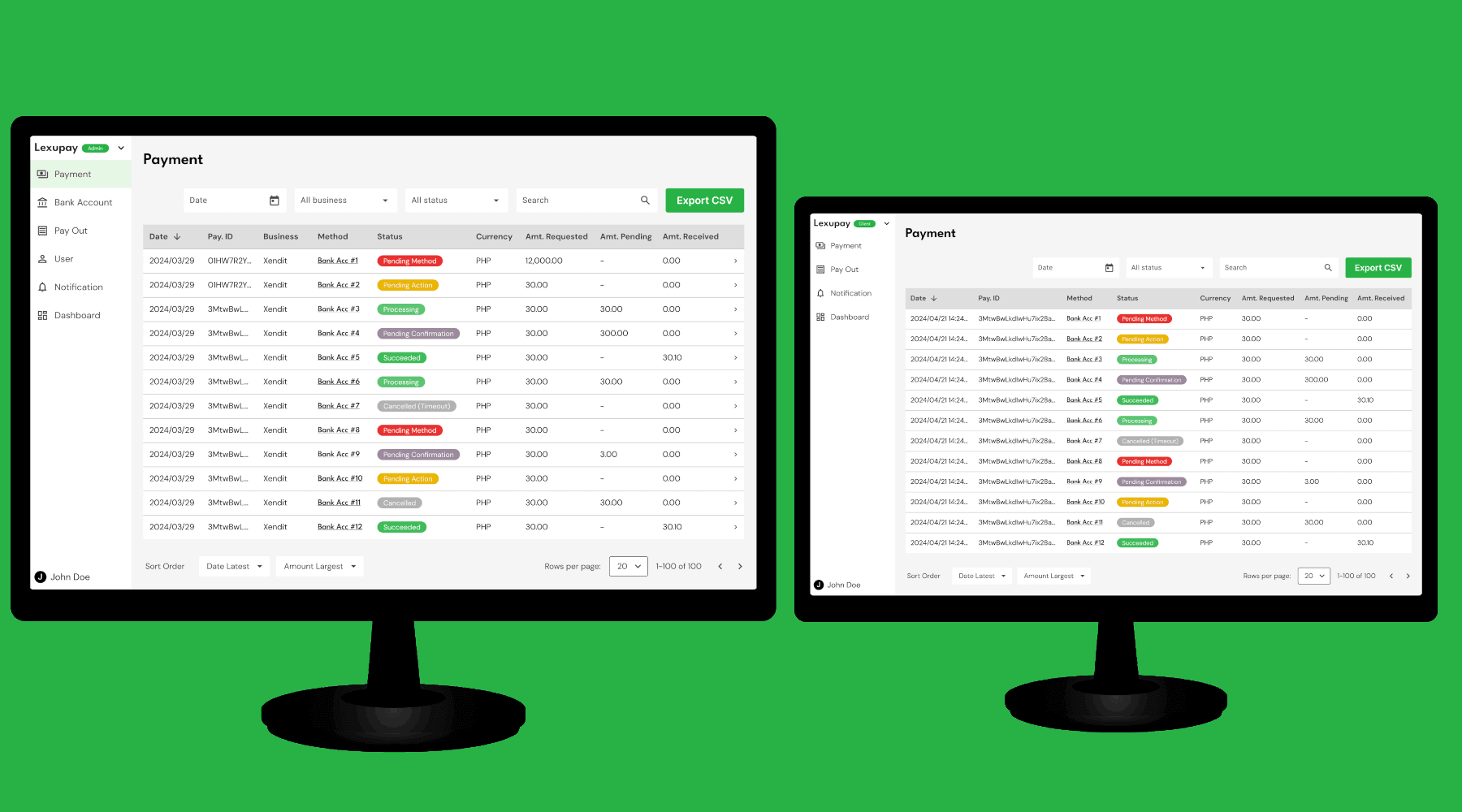
- Basic merchant dashboard
- Webhook notifications
- Essential security controls
Later Iteration:
- Advanced analytics
- Multi-currency support
- Complex fee structures
- White-label options
Parallel Workstreams
We ran multiple tracks simultaneously:
- API Development — Payment endpoints and webhooks
- Dashboard — Merchant management interface
- Integration — Bank and blockchain connections
- Compliance — Documentation and controls
Daily Shipping
We deployed to production daily:
- Feature flags for incomplete features
- Gradual rollouts
- Instant rollback capability
- Comprehensive monitoring
Results
The platform launched on schedule and quickly gained traction:
| Metric | Achievement |
|---|---|
| Time to Launch | 10 weeks |
| Merchant Integration Time | Average 3 days |
| Transaction Confirmation | Under 5 minutes |
| Reconciliation Accuracy | 99.97% |
| System Uptime | 99.9%+ |
Lessons for Fintech Startups
1. Security is Non-Negotiable
There's no MVP for security. Cut features, not security controls. The first breach ends your company.
2. Compliance from Day One
Retrofitting compliance is harder than building it in. Engage with regulatory requirements early.
3. Developer Experience Matters
Your merchants' developers are your users too. Great documentation and tooling accelerate adoption.
4. Plan for Scale Early
Financial systems can't have downtime during growth. Architecture decisions in month one affect year three.
5. Blockchain Where It Adds Value
We used blockchain for reconciliation because it solved a real problem—not because it was trendy. Choose technology based on genuine benefits.
Building fintech infrastructure at startup speed requires discipline, focus, and an unwavering commitment to security and reliability. It's possible to move fast without breaking things—you just can't cut corners on what matters.