
Building Scalable Web Applications: A Complete Guide
Learn the essential principles and best practices for creating web applications that can grow with your business needs.
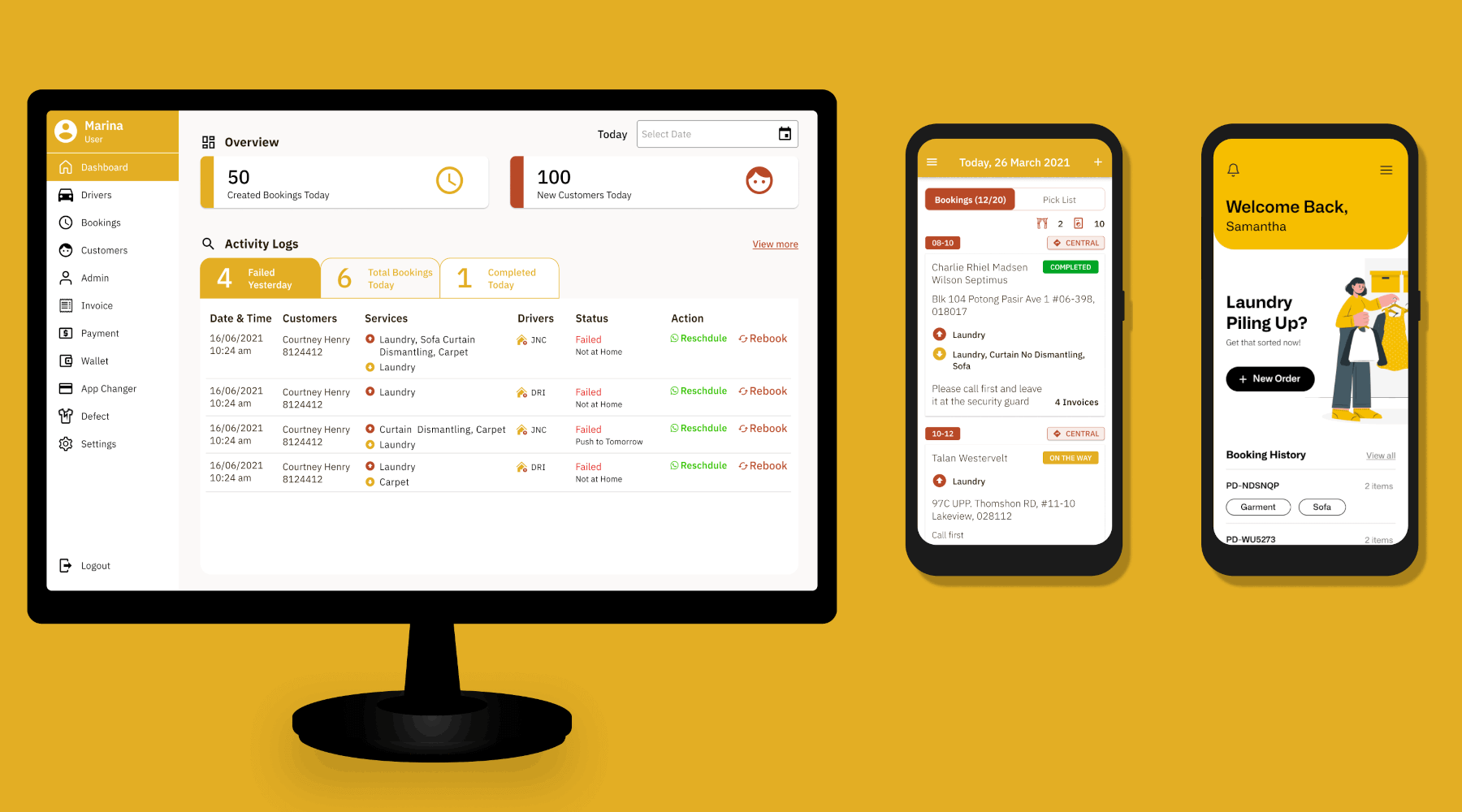
Building scalable web applications is both an art and a science. It requires careful planning, thoughtful architecture decisions, and a deep understanding of how applications behave under load. This comprehensive guide will walk you through the essential principles and practices for creating web applications that can grow with your business.
Understanding Scalability
Scalability refers to an application's ability to handle increased load without compromising performance. There are two primary types of scaling: vertical scaling (scaling up) and horizontal scaling (scaling out). Understanding when and how to apply each approach is crucial for building robust applications.
Vertical scaling involves adding more power to existing machines, while horizontal scaling involves adding more machines to your resource pool. Modern scalable applications typically employ a combination of both strategies, depending on the specific requirements and constraints.
Architecture Patterns for Scale
Microservices Architecture: Breaking your application into smaller, independent services allows for better scalability, maintainability, and team autonomy. Each service can be scaled independently based on its specific load patterns and requirements.
Event-Driven Architecture: Using events to communicate between services creates loose coupling and enables better scalability. Message queues and event streams help manage load spikes and ensure reliable processing.
CQRS (Command Query Responsibility Segregation): Separating read and write operations allows you to optimize each for their specific use cases and scale them independently.
Database Scaling Strategies
Database performance often becomes the bottleneck in web applications. Implementing effective database scaling strategies is crucial for maintaining performance as your application grows.
Read Replicas: Distribute read operations across multiple database replicas to reduce load on the primary database. This is particularly effective for read-heavy applications.
Sharding: Horizontally partition your data across multiple databases. While complex to implement, sharding can provide significant scalability benefits for large datasets.
Caching Strategies: Implement multiple layers of caching, from application-level caching to CDNs, to reduce database load and improve response times.
Performance Optimization
Performance optimization should be built into your application from the ground up, not added as an afterthought. Key areas to focus on include:
Code Optimization: Write efficient algorithms, minimize database queries, and optimize critical code paths. Use profiling tools to identify bottlenecks and optimize accordingly.
Asset Optimization: Minimize and compress CSS, JavaScript, and images. Use CDNs to serve static assets from locations closer to your users.
Lazy Loading: Load resources only when needed to reduce initial page load times and improve perceived performance.
Monitoring and Observability
You can't scale what you can't measure. Implementing comprehensive monitoring and observability is essential for understanding your application's behavior and identifying scaling opportunities.
Key metrics to monitor include response times, throughput, error rates, resource utilization, and business metrics. Use tools like application performance monitoring (APM) solutions, logging aggregation, and distributed tracing to gain insights into your application's performance.
Best Practices for Scalable Development
Design for Failure: Assume that components will fail and design your system to be resilient. Implement circuit breakers, retries with exponential backoff, and graceful degradation.
Stateless Design: Keep your application servers stateless to enable easy horizontal scaling. Store session data in external stores like Redis or databases.
Asynchronous Processing: Use background jobs and message queues for time-consuming operations to keep your application responsive.